IHOP Hash Browns Recipe
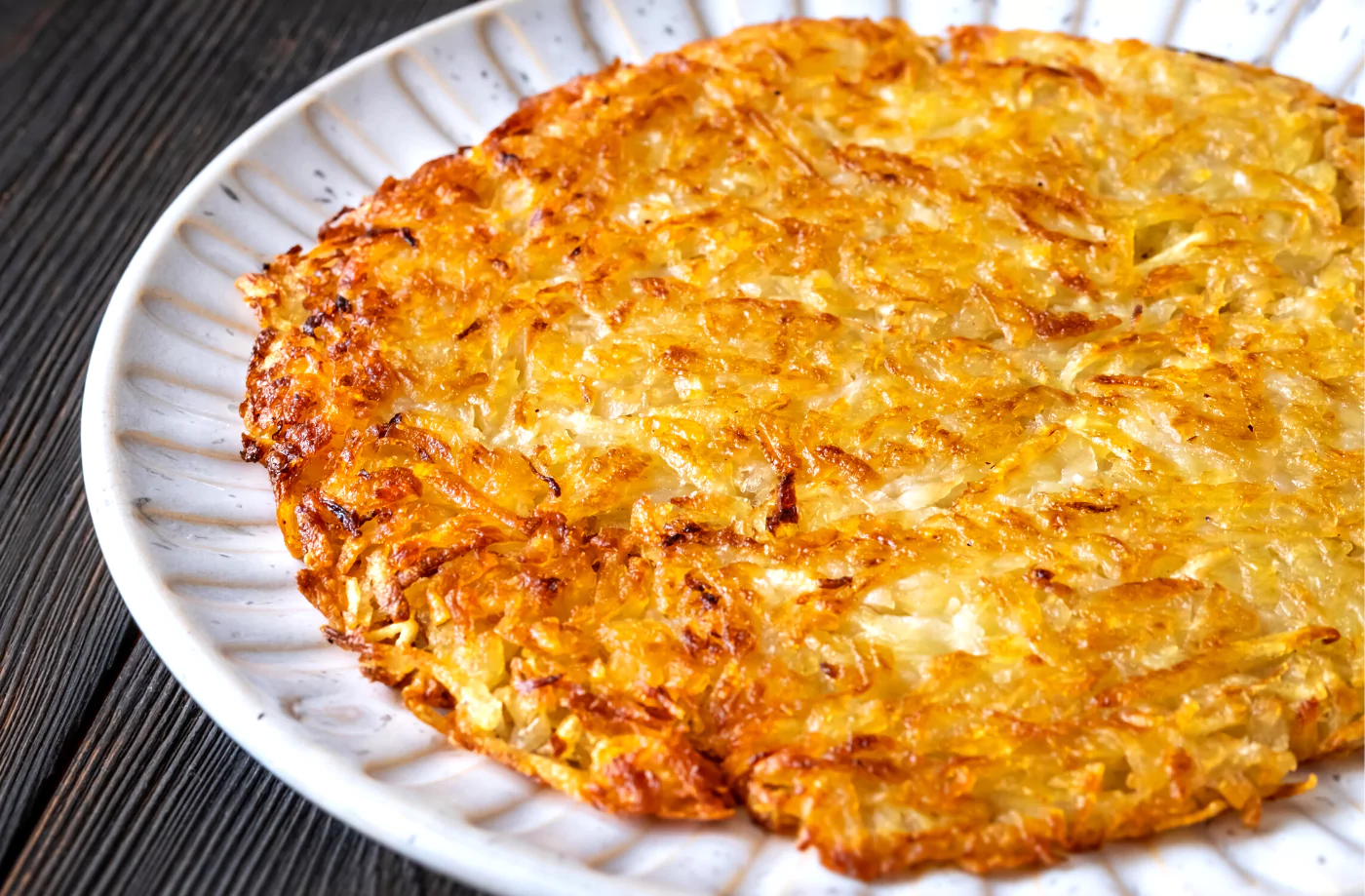
I love the crisp edges and tender middle of these IHOP-style hash browns. Two russet potatoes, a little butter, and simple seasoning make a warm breakfast side without a long shopping list.
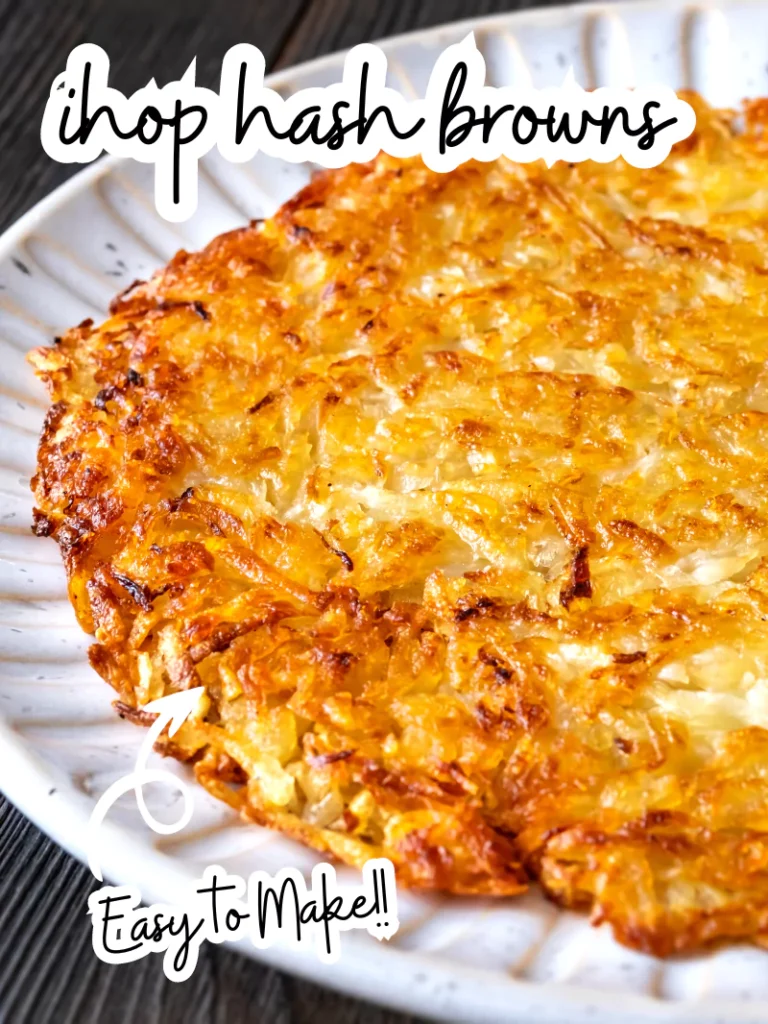
This homemade version takes its inspiration from a diner breakfast. The potatoes cook in a thin layer until golden, with enough soft potato underneath to make each forkful satisfying.
Drying the shreds and giving them time in the skillet make the biggest difference. Have the rest of breakfast nearly ready before cooking, because hash browns are nicest straight from the pan.
Why This Dish Is Great
- The ingredient list is short, so the mild potato flavor and buttery edges stand out. You do not need an egg or flour binder.
- A wide skillet gives the potato shreds plenty of contact with the hot surface, creating a golden crust with tender strands underneath.
- The seasoning stays simple. Salt and pepper are enough for the basic recipe, while everyone can choose toppings at the table.
- The recipe makes four small side portions, which work well beside eggs, toast, or pancakes when you want a fuller breakfast.
- Once you understand the drying and turning steps, you can judge the potatoes by their color and texture instead of constantly moving them around.
What Is the Best Potato for Hash Browns?
Russet potatoes are a good choice because their starchy flesh cooks up fluffy and their shredded edges brown nicely. Choose firm potatoes without soft spots, green areas, or heavy sprouting. The recipe uses two large potatoes; their exact size affects how much space they need in the skillet.
Peel them and use the coarse side of a box grater. Fine shreds can become a soft paste, while very thick pieces need more cooking. Yukon Gold potatoes are an option for a creamier middle, but russets give the texture intended here. Prepare the potatoes close to cooking time so they do not sit and discolor.
Ingredients
- 2 large russet potatoes, peeled and grated
- 2 tablespoons butter
- Salt and pepper to taste
Unsalted butter lets you control the seasoning, although salted butter also works if you begin with less added salt. Keep the full two tablespoons for cooking. If the potatoes need two batches, divide both the potatoes and butter between them; the cooking time will be longer.
Kitchen Equipment You Will Need
As an Amazon Associate I earn from qualifying purchases.
- Vegetable peeler
- Box grater
- Colander
- Clean kitchen towel
- 12-inch skillet
- Wide spatula
- Measuring spoon
- Food thermometer
How To Make IHOP Hash Browns
- Wash and peel the two russet potatoes, then grate them on the coarse holes of a box grater. Briefly rinse the shreds in a colander under cold water until the runoff is less cloudy. Drain well.
- Place the grated potatoes in a clean kitchen towel. Gather the ends and squeeze firmly over the sink. Open the towel, loosen the shreds, and squeeze again until they feel fairly dry.
- Melt the two tablespoons butter in a wide, preferably 12-inch, skillet over medium heat. Let it foam gently without turning dark or smoking.
- Add the dry potatoes and spread them into an even layer about 1/2 inch thick or thinner. If the pan cannot hold them this thinly, use two batches and divide the butter.
- Season lightly with salt and pepper. Press the shreds gently with a wide spatula so they touch the skillet, but do not pack them into a dense cake.
- Cook undisturbed for 5–7 minutes, until the underside has a golden crust. Divide into manageable sections and turn with a wide spatula. Cook the second side for another 5–7 minutes, lowering the heat if necessary, until golden and tender throughout. Allow about 15 minutes cooking for one batch; larger potatoes or extra batches take longer.
- Lift a small portion and check the middle: the shreds should be soft, with no firm raw crunch. If needed, continue over medium-low heat for a few minutes. Transfer briefly to a paper-towel-lined plate only if there is excess butter.
- Taste and adjust the salt and pepper, then serve immediately. Keep portions in a single layer so the crisp edges do not steam under a pile of hot potatoes.
Notes
- Dry potatoes well. Water left between the shreds makes steam in the skillet and delays browning, even when the outside of the pan seems hot.
- Spread evenly. A thin layer cooks more predictably than a thick mound, especially when your potatoes are larger than average.
- Wait before turning. The bottom needs time to set into a crust that the spatula can lift without tearing everything apart.
- Watch the butter. If it darkens quickly, lower the heat before adding the potatoes; burnt butter gives the entire batch a bitter flavor.
- Use your ears. A gentle, steady sizzle is useful; loud popping suggests wet shreds or too much heat. Keep hands clear of splatters.
- Check the middle as well as the color. Deeply browned edges do not guarantee that a thick potato layer has softened all the way through.
- Serve promptly. Make eggs or other sides alongside the potatoes, and put sauces beside the hash browns so the crust stays crisp longer.
Ingredients You Can Add
- Chopped chives add a gentle onion flavor when scattered over the finished potatoes.
- Thinly sliced scallion greens give a fresh finish without releasing much water into the skillet.
- A little shredded cheddar can melt over the top during the final minute of cooking.
- Finely chopped parsley brightens the warm butter flavor and adds color just before serving.
- Cooked diced bell pepper makes a colorful topping; cook off its moisture separately first.
- A small pinch of smoked paprika adds a warm, smoky flavor without changing the basic method.
What To Serve with Hash Browns
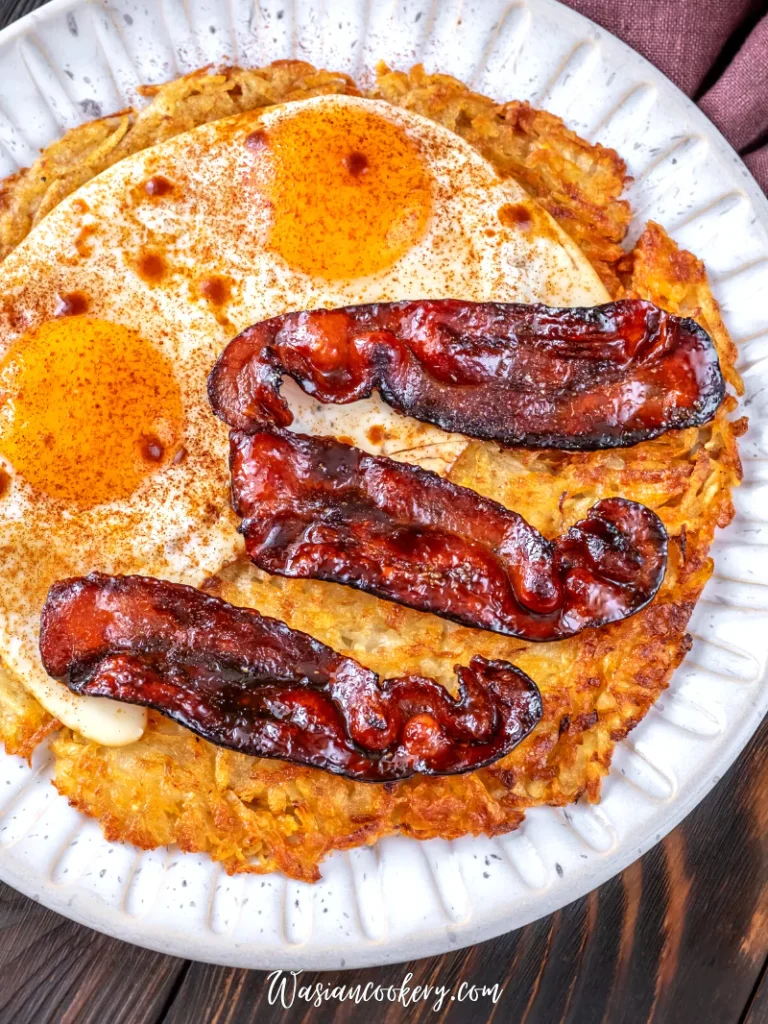
For a savory breakfast, add spinach and feta omelet. The soft eggs and salty cheese sit nicely beside crisp potatoes. The original serving idea of eggs and bacon also works if those are already on your breakfast menu.
For a sweet and savory plate, serve a small stack of fluffy pancakes alongside the hash browns. Keep syrup on the pancakes or in a little jug so it does not soak into the potatoes.
You can also build a breakfast bowl with the hash browns underneath eggs, avocado, and salsa. If you prefer larger potato pieces for another meal, try air fryer potato wedges as a separate crisp potato side.
Variations and Swaps
- For smaller portions, divide the shreds into loose patches in the skillet instead of one large round. Leave room to slide the spatula underneath.
- For a softer middle, try Yukon Gold potatoes. Keep the drying step and judge doneness carefully because their texture differs from russets.
- For a dairy-free version, use a plant-based cooking butter suitable for frying. Check its label and keep the same measured quantity.
- For a milder plate, leave out the pepper and let each person add it at the table. The potato crust will still taste buttery.
- For extra cheese flavor, finish with a light layer of cheddar after turning. Keep cheese away from the bare pan where it can scorch.
- For a little heat, sprinkle chili flakes over the finished potatoes. Start lightly so the seasoning does not hide the potato flavor.
- For a breakfast bowl, keep the hash browns in larger sections and add warm toppings only when you are ready to eat.
- For make-ahead convenience, cook the potatoes first and reheat later in a skillet. Expect a slightly different texture from a freshly cooked batch.
Storage
Refrigerate leftover hash browns in a shallow covered container within two hours of cooking, or within one hour if the room is hotter than 90°F. Keep the refrigerator at 40°F or below and use the potatoes within three to four days. Avoid leaving a full skillet on the counter to cool for several hours.
For longer storage, freeze cooled portions in a single layer, then move them into a freezer container. Use within two to three months for the best texture. Reheat in a skillet or oven until the center reaches 165°F. A microwave is convenient but softens the crust; heat only the portions you plan to eat.
FAQ
Why are my hash browns soggy?
The shreds may have been too wet, the layer too thick, or the skillet too cool. Squeeze firmly, spread thinly, and wait for browning before turning.
Why do the potatoes stick?
A crust that has not set can cling to the pan. Use a suitable nonstick or well-seasoned skillet, melt the butter first, and loosen a small edge before attempting a full turn.
Can I skip rinsing?
The potatoes can cook without rinsing, but loose surface starch can make the shreds cling together more. A brief rinse followed by very thorough drying gives a cleaner shredded texture.
Are these hash browns gluten-free?
The basic potatoes, butter, salt, and pepper contain no gluten ingredients. Check packaged ingredients and use clean equipment if avoiding cross-contact is important for your meal.
Can I use frozen shredded potatoes?
They behave differently from freshly grated russets. Use the package cooking instructions as your starting point and avoid treating an unknown frozen quantity as an exact replacement for these two potatoes.
Is this the restaurant’s official recipe?
This is a homemade IHOP-style recipe inspired by a diner breakfast. It uses fresh potatoes and butter, and does not claim to reproduce the restaurant’s ingredients or preparation exactly.
Short Description
Crisp, buttery hash browns made with two russet potatoes, salt, and pepper. A thin layer, dry shreds, and patient turning give this simple breakfast side its golden finish.
IHOP Hash Browns Recipe
Course: BreakfastCuisine: AmericanDifficulty: Easy4
servings10
minutes15
minutes25
minutesHomemade IHOP-style hash browns with russet potatoes and butter. Allow about 25 minutes for one thin batch; extra batches take longer.
Ingredients
2 large russet potatoes, peeled and grated
2 tablespoons butter
Salt and pepper to taste
Directions
- Wash and peel the two russet potatoes, then grate them on the coarse holes of a box grater. Briefly rinse the shreds in a colander under cold water until the runoff is less cloudy. Drain well.
- Place the grated potatoes in a clean kitchen towel. Gather the ends and squeeze firmly over the sink. Open the towel, loosen the shreds, and squeeze again until they feel fairly dry.
- Melt the two tablespoons butter in a wide, preferably 12-inch, skillet over medium heat. Let it foam gently without turning dark or smoking.
- Add the dry potatoes and spread them into an even layer about 1/2 inch thick or thinner. If the pan cannot hold them this thinly, use two batches and divide the butter.
- Season lightly with salt and pepper. Press the shreds gently with a wide spatula so they touch the skillet, but do not pack them into a dense cake.
- Cook undisturbed for 5–7 minutes, until the underside has a golden crust. Divide into manageable sections and turn with a wide spatula. Cook the second side for another 5–7 minutes, lowering the heat if necessary, until golden and tender throughout. Allow about 15 minutes cooking for one batch; larger potatoes or extra batches take longer.
- Lift a small portion and check the middle: the shreds should be soft, with no firm raw crunch. If needed, continue over medium-low heat for a few minutes. Transfer briefly to a paper-towel-lined plate only if there is excess butter.
- Taste and adjust the salt and pepper, then serve immediately. Keep portions in a single layer so the crisp edges do not steam under a pile of hot potatoes.