Korean Fried Chicken
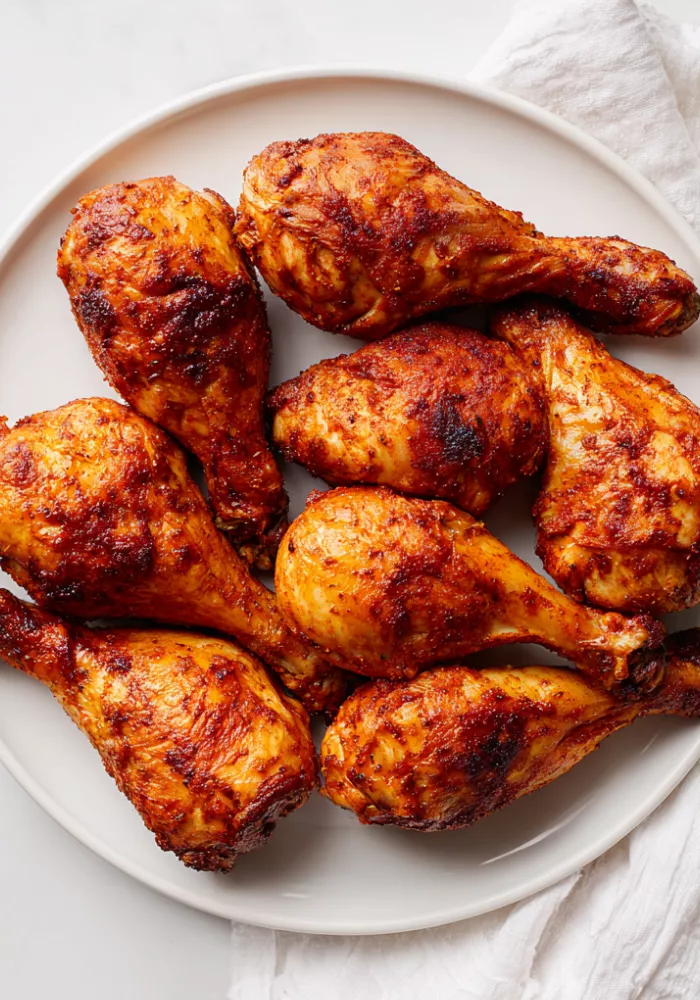
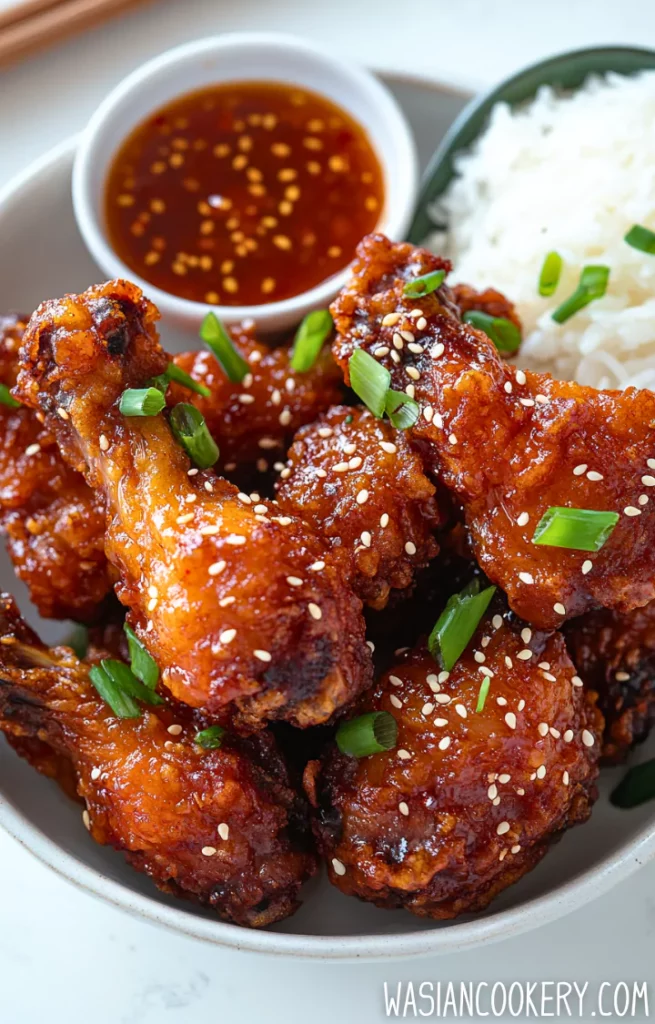
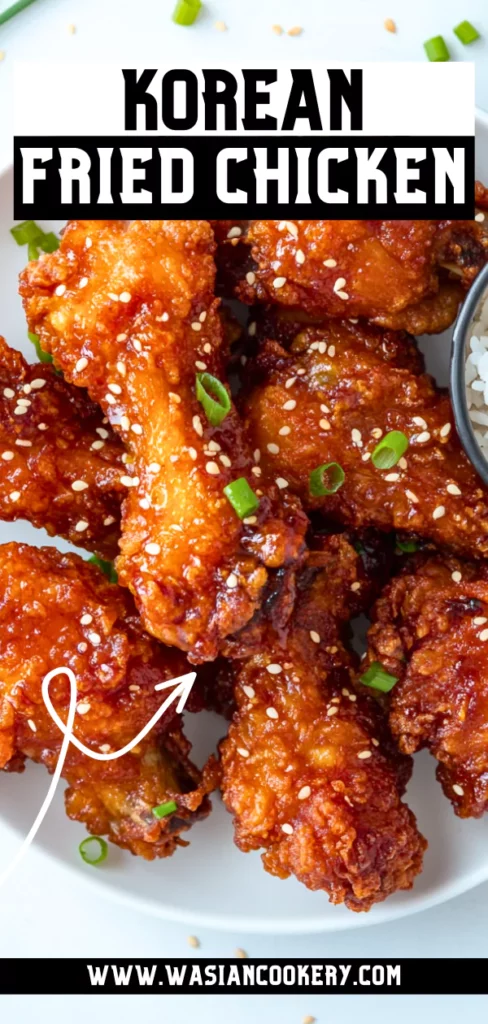
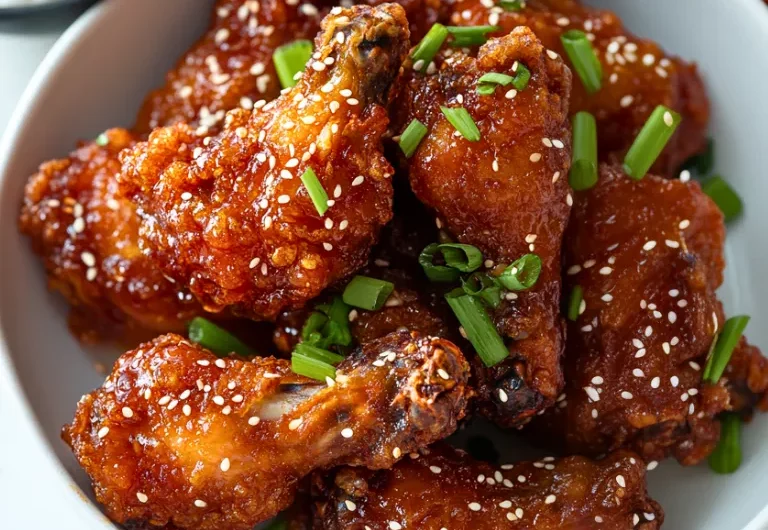
I love this Korean Fried Chicken recipe because it combines crispy, juicy chicken with a spicy, sweet sauce. It’s one of those comfort foods I enjoy for its contrast: a light starch coating outside, tender meat inside, and a glossy coating of gochujang, honey, and garlic.
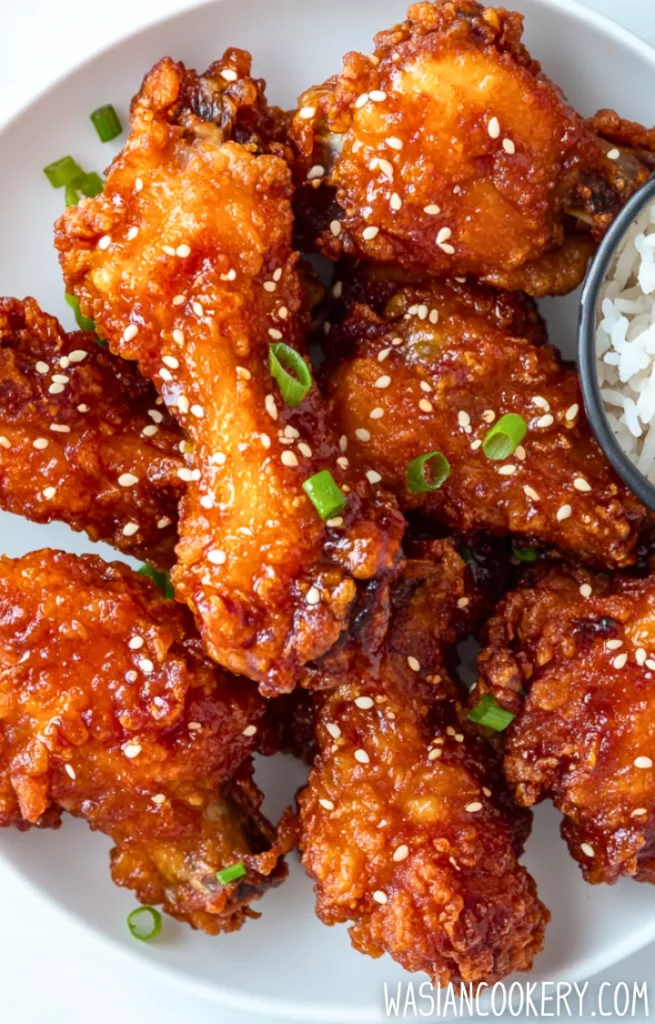
The double frying gives the chicken a lovely crunch. You can use wings, drumsticks, or boneless thighs, but each cut needs its own cooking time. The method below keeps all three choices and uses a thermometer to check the meat rather than assuming every piece cooks at the same speed.
When I serve the chicken, I often pair it with steamed rice and pickled radish. Sometimes I make lettuce wraps so everyone can build their own bites. Set aside about 2 hours and 15 minutes for two bone-in batches, including marinating and rests; small boneless pieces will be quicker.
Why This Dish Is Great
- A crisp coating: Potato starch or cornstarch creates a thin shell without needing a thick flour batter or an egg wash.
- Sweet and spicy flavor: Honey, brown sugar, and gochujang give the sauce its balance, with soy sauce adding a savory note.
- A choice of cuts: Wings suit a snack platter, drumsticks make larger pieces, and boneless thighs are easy to tuck into lettuce wraps.
- Flexible saucing: Toss the chicken for a glossy finish, or keep the sauce on the side so people choose how much they want.
- Small-batch cooking: A pound of chicken is a manageable amount for a home pot when you leave enough space for the oil to bubble safely.
What Is the Best Chicken?
Choose one cut for a batch when possible. Similar sizes cook more evenly and make it easier to judge when to check the temperature. Thaw frozen chicken completely in the refrigerator first. Boneless thighs stay juicy and cook quickly in small pieces; whole drumsticks need much longer around the bone. The four servings are small portions, especially with bone-in chicken, so pair them with sides.
Potato starch and cornstarch both work in the listed amount. Use actual potato starch rather than potato flour, which behaves differently. Choose a neutral frying oil, and keep sesame oil for the sauce as listed. Gochujang brands vary in heat and salt, while ketchup is sweeter and tangier than plain tomato sauce; those choices affect the finished flavor.
Ingredients
For the Chicken:
- 1 lb (450g) chicken wings, drumsticks, or boneless chicken thighs
- 1 tbsp rice vinegar (or apple juice as an alternative)
- 1 tsp minced ginger
- 1 tsp fine sea salt
- 1/2 tsp ground black pepper
- 1/2 cup potato starch or cornstarch
- Cooking oil for deep frying (vegetable or peanut oil)
For the Sauce:
- 2 tbsp tomato sauce/ketchup
- 1 1/2 tbsp gochujang (Korean chili paste), or more if you like it spicier
- 2 tbsp honey
- 2 tbsp brown sugar
- 1 tbsp soy sauce
- 1 tbsp minced garlic
- 1 tsp sesame oil
Optional Garnishes:
- Toasted sesame seeds
- Chopped green onions
Kitchen Equipment You Will Need
As an Amazon Associate I earn from qualifying purchases.
- Deep frying pot
- Deep fryer
- Frying thermometer
- Instant-read thermometer
- Metal tongs
- Wire cooling rack
- Rimmed baking sheets
- Mixing bowls
- Small saucepan
- Heatproof spoon
- Chef’s knife
- Cutting board
- Measuring cups
- Measuring spoons
- Paper towels
- Food covers
- Oven mitts
- Shallow storage containers
How To Make Korean Fried Chicken
Step 1
Do not wash or rinse raw chicken. Pat it dry with paper towels and discard the towels. Leave drumsticks whole, use separated wing pieces, or cut boneless thighs into roughly 1-inch pieces. In a bowl, combine the chicken with the rice vinegar or apple juice, ginger, salt, and black pepper. Cover and marinate in the refrigerator for at least 30 minutes.
Step 2
Lift the chicken from any excess marinade and coat evenly with the measured potato starch or cornstarch, pressing it gently onto each piece. Shake off loose starch and arrange on a tray. Refrigerate for 10 minutes to let the coating settle. Discard leftover marinade and starch that touched raw chicken; keep raw utensils separate from clean serving utensils.
Step 3
Follow the fryer fill marks, or use a deep, heavy pot filled no more than halfway with oil and with at least 2 inches of empty space above the oil. Heat to 350°F (175°C) and monitor with a frying thermometer. Using dry metal tongs, lower chicken gently in small batches, planning on two batches for this amount. Boneless pieces may take about 4–6 minutes, wings about 10–12 minutes, and drumsticks about 15–20 minutes or longer. Turn as needed. Lift pieces out of the oil to check with an instant-read thermometer; the thickest meat must reach 165°F (74°C), without touching bone. Continue frying any underdone pieces.
Step 4
Drain the cooked pieces on a wire rack over a rimmed baking sheet. Let each batch rest for about 5 minutes, allowing the first batch to rest while the next one fries. Keep monitoring the oil and let it return to 350°F. Fry the chicken again in small batches for about 2–3 minutes, until the coating is crisp and golden, then return it to the clean rack. Never leave the hot oil unattended.
Step 5
In a small saucepan, combine the tomato sauce or ketchup, gochujang, honey, brown sugar, soy sauce, minced garlic, and sesame oil. Cook over medium-low heat, stirring, for about 3–5 minutes until the sugar dissolves and the sauce bubbles gently. Remove from the heat before it becomes a thick candy-like glaze.
Step 6
Place the double-fried chicken in a clean large mixing bowl. Add the warm sauce and toss gently to coat, or serve the sauce separately for dipping. Keep the sauce and wet utensils away from the frying pot. Do not pour water or sauce into hot frying oil.
Step 7
Garnish with toasted sesame seeds and chopped green onions if desired. Serve promptly with rice, pickled radishes, or lettuce wraps. Turn off the fryer or burner and leave the oil to cool fully in a safe place before handling or disposing of it.
Notes
- Use the thermometer twice. The frying thermometer tracks oil heat; the instant-read thermometer checks the meat outside the oil. A brown coating does not prove the center is cooked.
- Count the batches. The card allows 20 minutes of active preparation, 30 minutes of marinating, a 10-minute coating rest, about 70 minutes for oil heating, two rounds of batch frying and sauce, plus a final 5-minute gap between fry rounds. Extra batches take longer.
- Keep the oil steady. Let it recover toward 350°F before the next batch. If it smokes, turn off the heat and let it cool; never add water.
- Keep utensils dry. Moisture meeting hot oil can splatter. Lower food gently, keep the pan stable, and leave plenty of room around the stove.
- Drain with airflow. Spread the chicken on the rack rather than stacking it. Trapped steam can soften the coating, even after the second fry.
- Watch the sauce. The sugars thicken as they heat and can scorch. Gentle bubbling is enough; the sauce will become thicker as it cools.
- Sauce at serving time. A heavy coating gradually softens the crust. Serve extra sauce on the side if you want a lighter glaze.
Ingredients You Can Add
- Toasted sesame seeds, already listed as an optional garnish, add a nutty flavor and a little texture to the sticky coating.
- Chopped green onions, also optional in the recipe, add freshness after the sauce has coated the chicken.
- A small pinch of Korean chili flakes brings another layer of heat. Add it to the sauce rather than the frying oil.
- A little lime juice adds a tart finish. Stir it into the sauce away from the fryer so no liquid splashes toward the oil.
- A small pinch of garlic powder can season the starch if you like a more savory crust. Keep it light because the sauce already contains garlic.
- Thinly sliced fresh chilies can garnish the finished plate for people who enjoy heat. Serve them separately if tastes differ at the table.
What To Serve With Korean Fried Chicken
Steamed rice balances the sauce and turns a small chicken portion into a meal. Pickled radish adds a cool, sharp bite between pieces. For another refreshing side, Tomato Cucumber Salad gives the table some juicy crunch.
Lettuce wraps are lovely with boneless pieces, especially with a little rice tucked underneath. Ramen Noodle Salad is another crisp side for a larger spread. Keep the chicken separate until serving so the coating does not soak in salad dressing.
A cool slaw balances the warm, spicy chicken too. Try Bonefish Grill Coleslaw alongside a modest serving of rice. Kimchi or a small bowl of Korean potato salad also fits these serving ideas without making the plate complicated.
Variations and Swaps
- Wings: Use separated wingettes and drumettes of similar size. Check thick pieces carefully around the bone and cook until they reach 165°F.
- Drumsticks: Keep drumsticks whole, allowing the longer frying time. Large ones may need more than 20 minutes in the first fry.
- Boneless thighs: Cut evenly for quicker frying. Start checking early so the small pieces do not dry out while waiting for larger ones.
- Chicken breast: The breast alternative also works in small pieces, although it is leaner. Use temperature checks to avoid overcooking it.
- Cornstarch: Use the listed cornstarch alternative in the same amount when potato starch is unavailable. Press on a thin, even coating.
- Apple juice: The listed alternative replaces the tablespoon of rice vinegar, giving a milder, sweeter marinade rather than the same tartness.
- Sauce on the side: Serve the fried pieces plain with the prepared sauce for dipping, especially when people prefer different amounts of heat.
- Gluten-free choices: Use suitable soy sauce or tamari and check the gochujang, ketchup, starch, and every other packaged ingredient. Gochujang can contain wheat.
Storage
Refrigerate leftovers promptly in shallow containers within 2 hours, or within 1 hour if the temperature is above 90°F. Do not leave chicken out until completely cool. Keep at 40°F or colder and use within 3 days. Store unused sauce separately when possible; the coating will soften somewhat once it is refrigerated, especially after saucing.
Freeze promptly cooled portions for up to 2 months for best quality and thaw in the refrigerator. Reheat on a rack over a baking sheet in a 350°F oven until the thickest part reaches 165°F. Sauced chicken needs watching because the sugar can darken quickly. Reheating time depends on the cut and size, so check the meat rather than relying on surface crispness.
FAQ
Can I skip marinating?
The recipe includes at least 30 minutes of refrigerated marinating for flavor. If you extend it up to the 4-hour option, add that extra waiting time to the total and keep the chicken cold.
Does the chicken need washing first?
No. Washing raw chicken can spread juices around the sink and nearby food. Pat it dry carefully and cook the meat to 165°F instead.
Why did the coating fall off?
Excess surface liquid, loose starch, or moving the pieces too early can loosen the crust. Drain excess marinade, press on the starch, rest the coated pieces, and turn them gently once the coating has set.
Why is the chicken greasy?
Overcrowding can lower the oil temperature. Fry smaller batches, monitor the oil, and allow it to recover between them. Drain the cooked pieces on the rack so they do not sit in oil.
Can I make the sauce ahead?
Yes. Cook it, refrigerate promptly in a covered container, and use within 3 days. Reheat until bubbling, then toss with freshly fried chicken. Avoid boiling it down into a very thick glaze.
Is the sauce very spicy?
That depends on the gochujang. Taste the cooked sauce with a clean spoon and serve it separately if needed. The honey and sugar add sweetness, but they do not remove the chili heat.
Short Description
Double-fried chicken with a crisp starch coating and a sweet, spicy gochujang sauce, with separate timing guidance for wings, drumsticks, and boneless thighs.
Korean Fried Chicken
Course: MainCuisine: KoreanDifficulty: Easy4
servings20
minutes1
hour10
minutes2
hours15
minutesDouble-fried chicken with a crisp starch coating and a sweet, spicy gochujang sauce, with separate timing guidance for wings, drumsticks, and boneless thighs.
Ingredients
- For the Chicken:
1 lb (450g) chicken wings, drumsticks, or boneless chicken thighs
1 tbsp rice vinegar (or apple juice as an alternative)
1 tsp minced ginger
1 tsp fine sea salt
1/2 tsp ground black pepper
1/2 cup potato starch or cornstarch
Cooking oil for deep frying (vegetable or peanut oil)
- For the Sauce:
2 tbsp tomato sauce/ketchup
1 1/2 tbsp gochujang (Korean chili paste), or more if you like it spicier
2 tbsp honey
2 tbsp brown sugar
1 tbsp soy sauce
1 tbsp minced garlic
1 tsp sesame oil
- Optional Garnishes:
Toasted sesame seeds
Chopped green onions
Directions
- Do not wash or rinse raw chicken. Pat it dry with paper towels and discard the towels. Leave drumsticks whole, use separated wing pieces, or cut boneless thighs into roughly 1-inch pieces. In a bowl, combine the chicken with the rice vinegar or apple juice, ginger, salt, and black pepper. Cover and marinate in the refrigerator for at least 30 minutes.
- Lift the chicken from any excess marinade and coat evenly with the measured potato starch or cornstarch, pressing it gently onto each piece. Shake off loose starch and arrange on a tray. Refrigerate for 10 minutes to let the coating settle. Discard leftover marinade and starch that touched raw chicken; keep raw utensils separate from clean serving utensils.
- Follow the fryer fill marks, or use a deep, heavy pot filled no more than halfway with oil and with at least 2 inches of empty space above the oil. Heat to 350°F (175°C) and monitor with a frying thermometer. Using dry metal tongs, lower chicken gently in small batches, planning on two batches for this amount. Boneless pieces may take about 4–6 minutes, wings about 10–12 minutes, and drumsticks about 15–20 minutes or longer. Turn as needed. Lift pieces out of the oil to check with an instant-read thermometer; the thickest meat must reach 165°F (74°C), without touching bone. Continue frying any underdone pieces.
- Drain the cooked pieces on a wire rack over a rimmed baking sheet. Let each batch rest for about 5 minutes, allowing the first batch to rest while the next one fries. Keep monitoring the oil and let it return to 350°F. Fry the chicken again in small batches for about 2–3 minutes, until the coating is crisp and golden, then return it to the clean rack. Never leave the hot oil unattended.
- In a small saucepan, combine the tomato sauce or ketchup, gochujang, honey, brown sugar, soy sauce, minced garlic, and sesame oil. Cook over medium-low heat, stirring, for about 3–5 minutes until the sugar dissolves and the sauce bubbles gently. Remove from the heat before it becomes a thick candy-like glaze.
- Place the double-fried chicken in a clean large mixing bowl. Add the warm sauce and toss gently to coat, or serve the sauce separately for dipping. Keep the sauce and wet utensils away from the frying pot. Do not pour water or sauce into hot frying oil.
- Garnish with toasted sesame seeds and chopped green onions if desired. Serve promptly with rice, pickled radishes, or lettuce wraps. Turn off the fryer or burner and leave the oil to cool fully in a safe place before handling or disposing of it.
Notes
- Do not wash raw chicken. Cook every cut to 165°F, measured in the thickest meat away from bone and outside the oil.
- The 135-minute estimate allows 20 minutes prep, 30 minutes refrigerated marinating, 10 minutes coating rest, 70 minutes oil heating/batch cooking/sauce, and 5 minutes between fry rounds. Boneless pieces may finish sooner; extra batches or larger drumsticks take longer.
- Use fryer fill marks or a deep pot no more than half full with at least 2 inches headroom. Keep utensils dry, monitor 350°F oil, and never add water to hot oil.