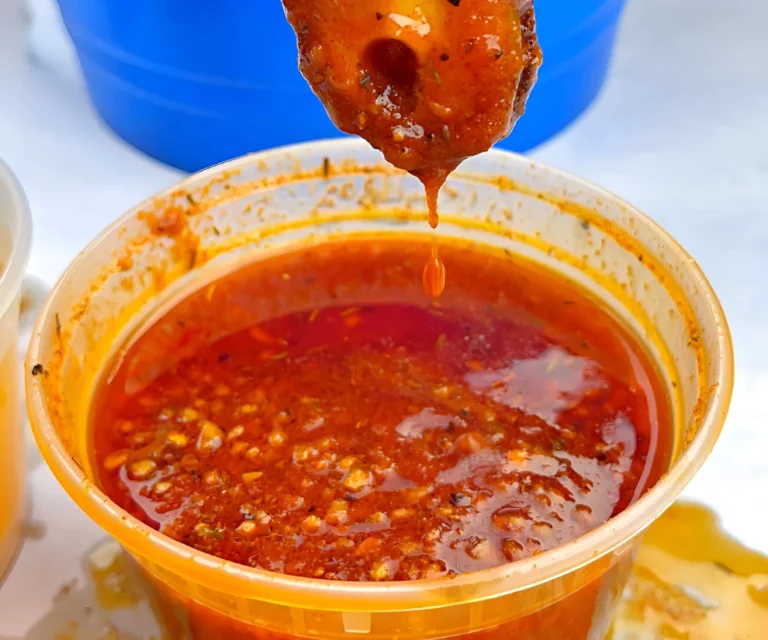
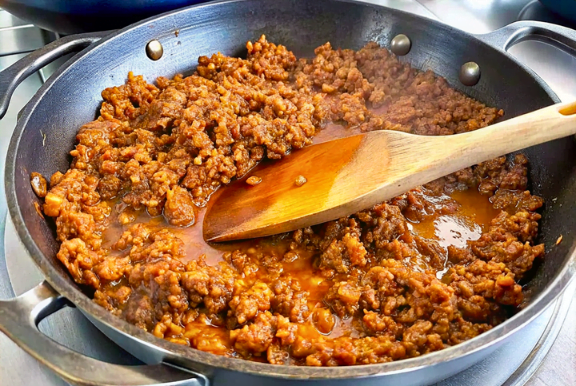
El Pato tomato sauce recipe
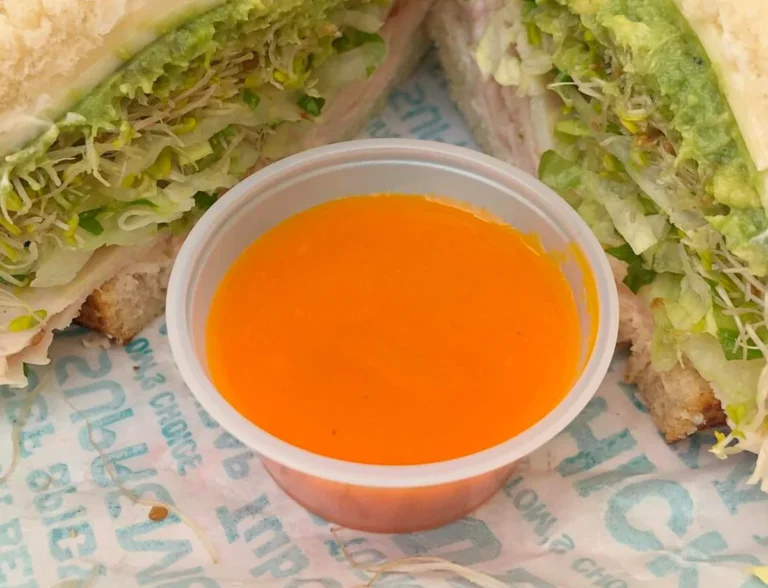
I love making a warm tomato sauce with ripe tomatoes and a few fragrant spices. This El Pato-inspired recipe brings together cumin, paprika, oregano, and an optional chile de arbol for a sauce that works with plenty of everyday meals.
Making sauces at home is one of my favorite kitchen jobs, much like preparing my Costco Raspberry Chipotle Sauce or Dave’s hot chicken sauce. Here, the tomatoes soften on the stove before everything is blended into a spoonable sauce.
This is a homemade interpretation, with a noticeable warm-spice flavor from allspice and clove. It is not the manufacturer’s formula. Enjoy it freshly cooked, or cool and refrigerate it promptly for another meal; this recipe is not intended for canning.
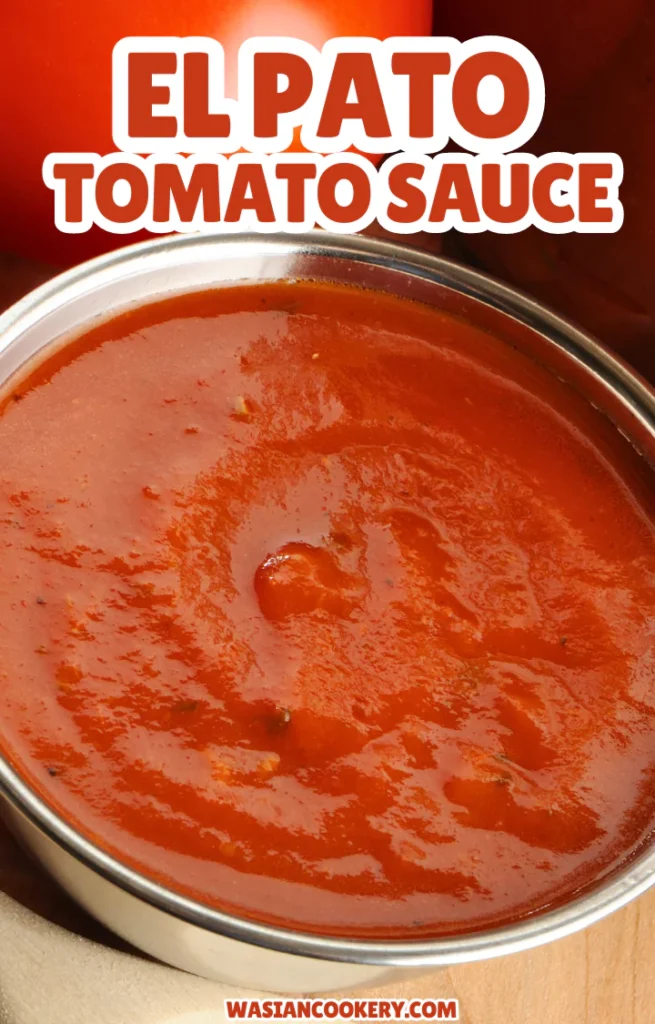
Why This Dish Is Great
- Fresh tomatoes give the sauce its main flavor, so a good ripe batch makes a real difference without a long shopping list.
- Most of the seasoning comes from small amounts of pantry spices that are easy to measure before you start cooking.
- The chile is optional, making it simple to prepare the same tomato base for people who prefer less heat.
- One pot handles the simmering, and an immersion blender can smooth the sauce without transferring it into another vessel.
- The finished sauce works as a topping, a dip, or a small addition to rice, beans, soups, and other cooked dishes.
What Is the Best Tomato to Use?
Roma tomatoes are a helpful choice because their fleshy texture generally gives you less watery sauce. Ripe vine tomatoes also work. Choose tomatoes that feel heavy for their size and smell pleasantly tomato-like near the stem. Avoid fruit with mold, leaking patches, or a sour smell. A little softness from ripeness is fine; damaged or spoiled fruit is not.
The weight matters more than the number of tomatoes. Two pounds of small Romas can look quite different from two pounds of larger round tomatoes. Keep the measured weight the same and judge the finished thickness in the pot. A juicy batch may need extra simmering, which will also reduce the final amount.
Ingredients
- 2 lbs fresh tomatoes (Roma or vine-ripened)
- 1 teaspoon ground cumin
- 1 teaspoon ground paprika
- 1 teaspoon dried oregano
- 1/2 teaspoon ground allspice
- 1/4 teaspoon garlic powder
- 1/4 teaspoon onion powder
- 1/4 teaspoon ground clove
- 1 chile de arbol, ground (optional for extra heat)
Have a splash of olive oil ready for the pot, as used in the cooking method. The chile is the only optional heat ingredient in the base recipe. The clove and allspice are quite fragrant, so level those small spoon measures carefully. The base recipe does not call for added salt or sugar.
Kitchen Equipment You Will Need
As an Amazon Associate I earn from qualifying purchases.
- Kitchen scale
- Chef’s knife
- Cutting board
- Measuring spoons
- Small mixing bowl
- Mortar and pestle
- Heavy saucepan
- Wooden spoon
- Immersion blender
- Fine-mesh strainer
- Shallow storage containers
How To Make El Pato-Inspired Tomato Sauce
Step 1
Wash the tomatoes under running water, remove their stems and hard cores, and cut them into quarters. Leave the skins on. Cut especially large quarters smaller so the pieces soften evenly.
Step 2
Measure the cumin, paprika, oregano, allspice, garlic powder, onion powder, and clove into a small bowl. If using the chile de arbol, remove its stem and crush or grind it finely, keeping the dust away from your eyes.
Step 3
Warm a splash of olive oil in a heavy saucepan over medium heat. Use a pot large enough to stir the tomatoes without spilling, and do not let the oil smoke.
Step 4
Add the tomatoes carefully and stir. Let them begin releasing their juices, pressing a few pieces gently with the spoon so the bottom of the pan stays moist.
Step 5
Stir in the measured spices and optional ground chile. Bring the released tomato juices to a gentle simmer, then lower the heat as needed to prevent scorching or hard splattering.
Step 6
Simmer for about 30 minutes, stirring regularly along the bottom, until the tomatoes collapse and the liquid looks saucy. If the mixture becomes dry before the tomatoes soften, reduce the heat and cover briefly. Very juicy tomatoes may need longer uncovered simmering.
Step 7
Take the pan off the heat. Following your immersion blender’s hot-food instructions, keep its head submerged and blend in short bursts until smooth. Stop the motor before lifting the head. For a finer finish, press the blended sauce through a fine-mesh strainer.
Step 8
Taste a cooled spoonful and check the thickness. Serve warm. The timing estimate is 15 minutes of preparation and blending plus 35 minutes for heating and simmering, about 50 minutes total; extra reduction adds time. For storage, divide into shallow containers and refrigerate within 2 hours.
Notes
- Use fresh-smelling spices. An old jar of paprika or cumin can give very little flavor even when the measured quantity is correct.
- Keep the simmer gentle. A rapid boil can splash tomato sauce onto the stove and reduce the liquid before the larger pieces soften.
- Stir across the bottom and into the corners of the pan. Thick tomato pulp can catch there even when the top looks moist.
- Take a small taste after cooking and let it cool first. Very hot sauce can hide its flavor and can burn your mouth.
- For mild sauce, leave out the optional chile. Removing some seeds can reduce the amount of chile material, but it does not guarantee a mild pepper.
- The card lists one batch because the finished volume depends on tomato variety, simmering time, and whether you strain out the skins and seeds. Measure the cooled sauce if you need a specific amount for another recipe.
- Keep any sauce intended for serving separate from sauce used on raw meat. Do not return a used marinade to the clean serving container.
Ingredients You Can Add
These are optional finishing ideas for a portion of the cooked sauce. They are not extra requirements for the base recipe, and none makes the sauce safe for pantry storage.
- Chopped cilantro adds a fresh herbal finish when stirred in just before serving.
- A little lime juice can brighten a spoonful of sauce that tastes too rounded or heavy.
- Finely chopped scallion gives a fresh onion bite when used as a garnish.
- Cooked black beans turn a portion of sauce into a simple, hearty taco filling.
- Roasted bell pepper brings a sweeter vegetable note; blend it into a separate portion.
- A spoonful of sour cream makes a creamy table sauce; refrigerate that mixture promptly.
What To Serve With This Sauce
I like it spooned over tacos or tucked into burritos, where the tomatoes and spices can mingle with the filling. Serve a little on the side of Juan Pollo Rice so everyone can choose how much sauce they want.
For enchiladas, use the sauce as one part of the filling or topping and check the consistency before pouring it over the tortillas. A thick reduction is useful on homemade pizza, while a looser version can be stirred through a bowl of beans or vegetables.
It also makes a warm dip for tortilla chips or a flavorful addition to soup. When using it with pasta, start with a modest amount because the clove and allspice give it a different character from an Italian tomato sauce. Add more after tasting the complete dish.
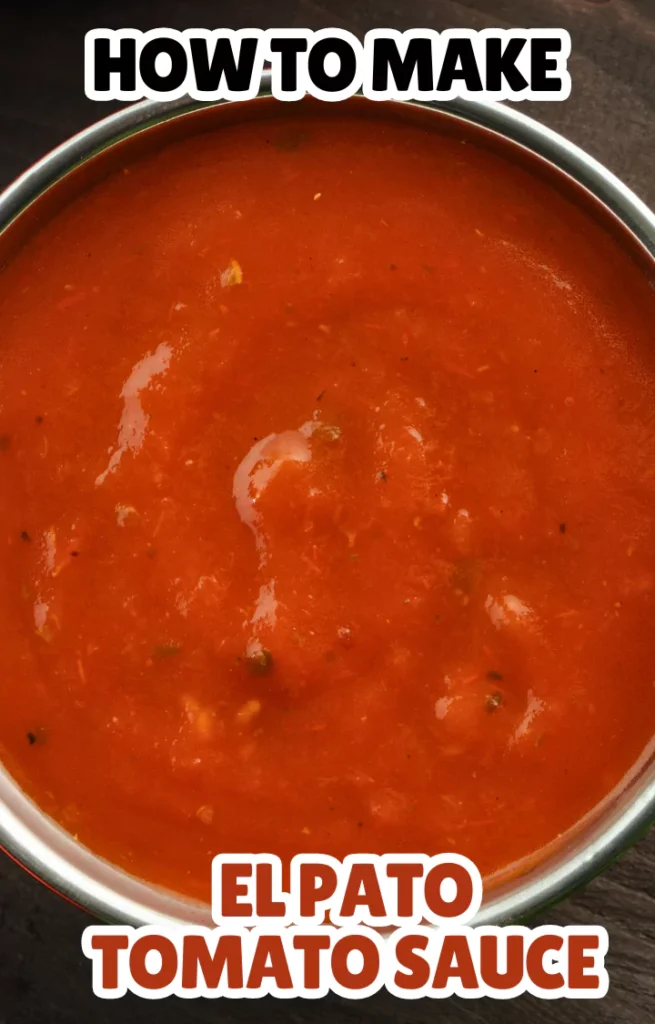
Variations and Swaps
- Choose Roma tomatoes for a thicker starting mixture, keeping the same two-pound amount.
- Use ripe vine tomatoes for a juicier sauce and allow more time for reduction when needed.
- Leave out the optional chile for a mild version with the same fragrant spice base.
- Use sweet paprika when you want the paprika flavor without adding another source of heat.
- Try smoked paprika in the same amount for a smoky variation; it changes the flavor noticeably.
- Blend briefly for a rustic finish if a few small tomato pieces suit the meal.
- Strain after blending for a smoother sauce, remembering that discarded skins and seeds reduce the yield.
- Reduce a serving portion further for a thicker dip, watching closely and stirring so it does not scorch.
Storage
Divide leftover sauce into shallow containers and refrigerate at 40°F or below within two hours of cooking, or within one hour when the room is above 90°F. Do not leave the full pot on the counter until completely cold. Use refrigerated sauce within three to four days. Clean jars can hold it in the refrigerator, but a tight lid or sterilized jar does not make this sauce shelf stable.
For longer storage, freeze cooled portions in suitable containers with room for expansion and use within three months for best quality. Thaw in the refrigerator. Reheat the amount you need, stirring thoroughly, until it reaches 165°F. This fresh-tomato formula has no tested canning process, so keep every batch refrigerated or frozen.
FAQ
Does this taste exactly like canned El Pato?
No exact match is promised. This homemade sauce uses fresh tomatoes and a pronounced warm-spice blend. Think of it as an inspired cooking sauce with its own character.
Do I need to peel the tomatoes?
No. The skins soften during simmering and are blended into the sauce. Straining is optional if you prefer a particularly smooth finish.
Why is my sauce watery?
Some tomatoes contain more juice than others. Simmer uncovered a little longer, stirring frequently, until the sauce reaches the consistency you need. Allow extra time beyond the estimate.
Why does the clove taste strong?
Clove has a powerful flavor, and small measuring differences matter. Use a level quarter teaspoon for this batch. Avoid adding more before you have tasted the cooked sauce.
Is this recipe gluten-free?
The listed base ingredients do not include wheat, but check the spice labels and any optional additions for your needs. Use clean equipment if cross-contact is a concern.
Can I store sealed jars in the pantry?
No. This is a refrigerated or frozen cooking sauce. Neither simmering it nor sealing a hot jar provides a validated canning process for this formula.
Short Description
An El Pato-inspired fresh tomato sauce with cumin, paprika, oregano, warm spices, and optional chile de arbol. Refrigerate or freeze; not a canning recipe.
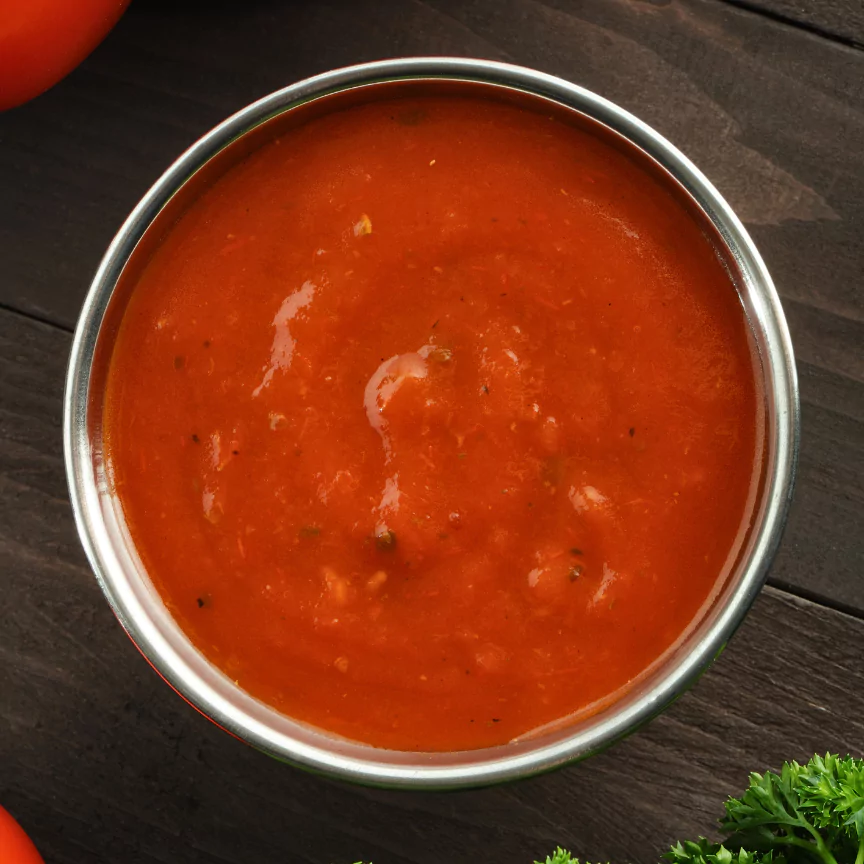
El Pato tomato sauce recipe
Course: SauceCuisine: MexicanDifficulty: Easy1
batch15
minutes35
minutes50
minutesAn El Pato-inspired fresh tomato sauce with cumin, paprika, oregano, warm spices, and optional chile de arbol. Refrigerate or freeze; not a canning recipe.
Ingredients
2 lbs fresh tomatoes (Roma or vine-ripened)
1 teaspoon ground cumin
1 teaspoon ground paprika
1 teaspoon dried oregano
1/2 teaspoon ground allspice
1/4 teaspoon garlic powder
1/4 teaspoon onion powder
1/4 teaspoon ground clove
1 chile de arbol, ground (optional for extra heat)
Directions
- Wash the tomatoes under running water, remove their stems and hard cores, and cut them into quarters. Leave the skins on. Cut especially large quarters smaller so the pieces soften evenly.
- Measure the cumin, paprika, oregano, allspice, garlic powder, onion powder, and clove into a small bowl. If using the chile de arbol, remove its stem and crush or grind it finely, keeping the dust away from your eyes.
- Warm a splash of olive oil in a heavy saucepan over medium heat. Use a pot large enough to stir the tomatoes without spilling, and do not let the oil smoke.
- Add the tomatoes carefully and stir. Let them begin releasing their juices, pressing a few pieces gently with the spoon so the bottom of the pan stays moist.
- Stir in the measured spices and optional ground chile. Bring the released tomato juices to a gentle simmer, then lower the heat as needed to prevent scorching or hard splattering.
- Simmer for about 30 minutes, stirring regularly along the bottom, until the tomatoes collapse and the liquid looks saucy. If the mixture becomes dry before the tomatoes soften, reduce the heat and cover briefly. Very juicy tomatoes may need longer uncovered simmering.
- Take the pan off the heat. Following your immersion blender’s hot-food instructions, keep its head submerged and blend in short bursts until smooth. Stop the motor before lifting the head. For a finer finish, press the blended sauce through a fine-mesh strainer.
- Taste a cooled spoonful and check the thickness. Serve warm. The timing estimate is 15 minutes of preparation and blending plus 35 minutes for heating and simmering, about 50 minutes total; extra reduction adds time. For storage, divide into shallow containers and refrigerate within 2 hours.
Notes
- Have a splash of olive oil ready for the pot.
- One batch; finished volume varies with tomatoes, reduction, and straining. Measure cooled sauce when a specific volume is needed.
- Refrigerate in shallow containers within 2 hours and use within 3–4 days. This is not a canning recipe.