Bordeaux Cookie Recipe
In my kitchen, a buttery cookie and a warm drink make a lovely little break. These homemade Bordeaux-style cookies use a short ingredient list, a chilled dough, and simple cookie cutters for an easy afternoon baking project.
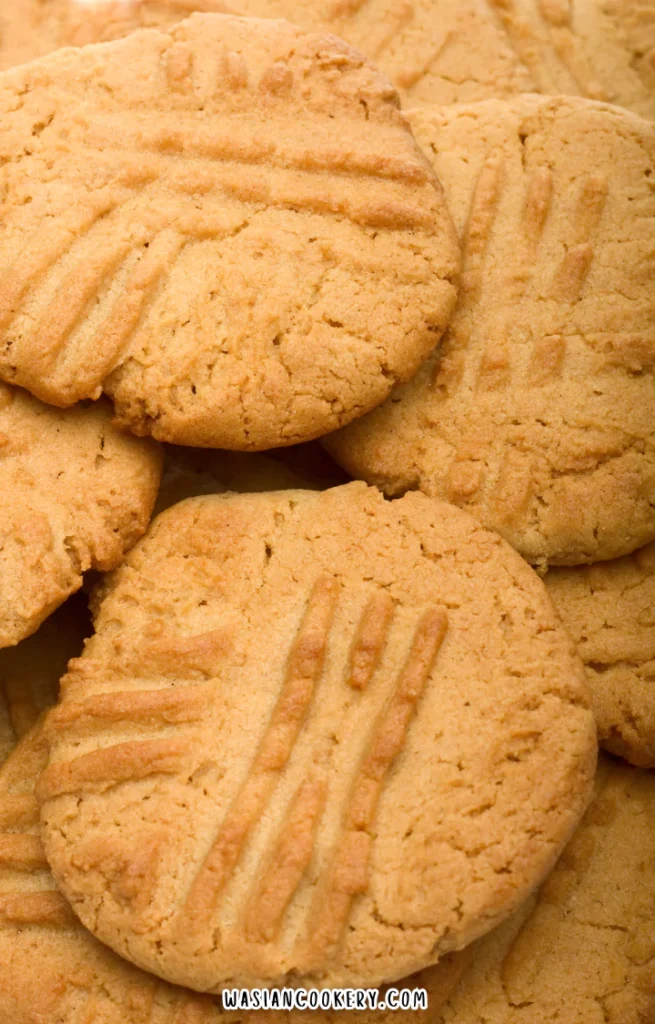
I originally made this recipe from scratch by mixing butter, sugar, milk, baking powder, and flour, then chilling the dough before rolling and cutting it. I enjoy serving the cookies with hot coffee and a light dusting of powdered sugar.
Plan ahead for the full two-hour chill and time to cool the baked cookies. This is the homemade cutout-cookie version shared here, with brown or white sugar options and a tender, buttery bite.
Why This Recipe Is Great
- Five basic ingredients make the dough easy to shop for, with no egg required in the original formula.
- The butter brings the main flavor, so the cookies are pleasant served plain as well as with a simple topping.
- You can choose one of the original sugar options: brown sugar for a deeper flavor or white sugar for a lighter one.
- Chilling breaks the work into stages. Mix the dough first, then return to the rolling and baking after it firms up.
- Small round cutters keep shaping straightforward, while simple holiday shapes can make the same dough feel festive.
- A modest batch fits comfortably into an afternoon baking plan and gives you cookies to share with coffee, tea, or milk.
What Is the Best Butter and Flour to Use?
Use the listed unsalted butter, softened enough that a finger leaves an indentation but still cool and solid. It should not look melted or oily. Butter that is too warm makes the mixture harder to handle, while very cold butter is difficult to cream evenly with sugar. Give it time to soften before you begin mixing.
All-purpose flour is a straightforward choice for a lighter cookie. The original white whole wheat flour option gives a slightly heartier flavor and can make the texture denser. Spoon the flour into a measuring cup and level the top rather than pressing it down. These two flour choices and the two sugar choices may spread and brown differently, so watch the first tray closely.
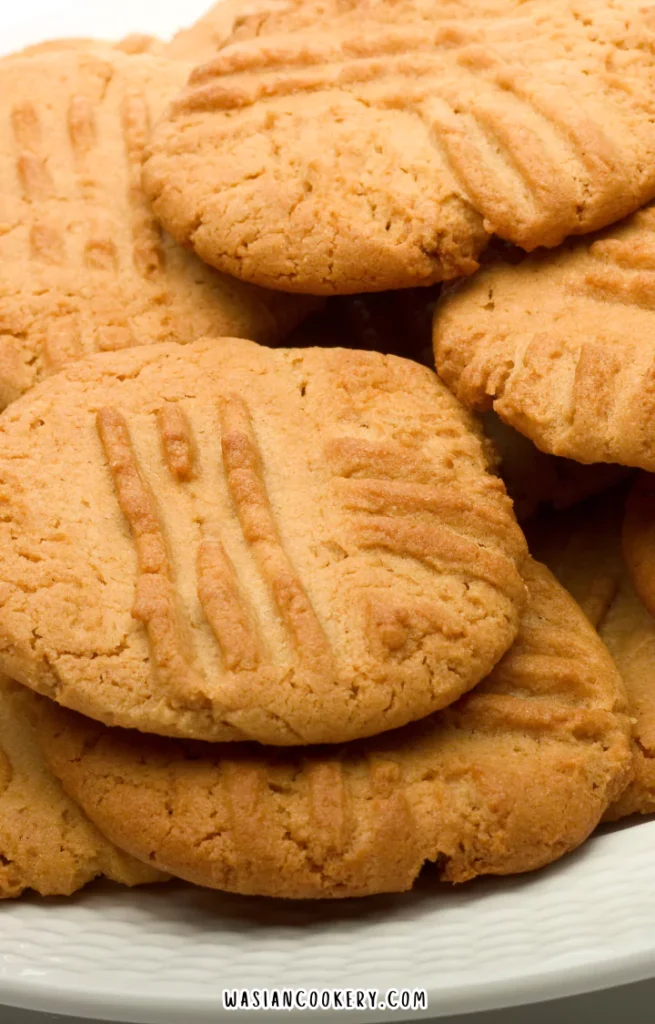
Ingredients
- 1 cup flour (whole wheat white flour or all-purpose flour)
- 1 stick (8 tablespoons) unsalted butter, softened
- 2/3 cup brown sugar OR 1/2 cup white sugar
- 1 teaspoon baking powder
- 2 tablespoons whole milk
Choose either the brown sugar or the white sugar amount, not both. Use ordinary granulated white sugar for the white-sugar option. For brown sugar, press it gently into the cup and break up firm lumps before mixing. Baking powder and baking soda behave differently, so use the baking powder named in the recipe. The two tablespoons of whole milk provide the dough’s added moisture.
Kitchen Equipment You Will Need
As an Amazon Associate I earn from qualifying purchases.
- Mixing bowl
- Hand mixer
- Silicone spatula
- Measuring cups
- Measuring spoons
- Plastic wrap
- Rolling pin
- Cookie cutters
- Rimmed baking sheets
- Parchment paper
- Thin cookie spatula
- Wire cooling rack
- Oven mitts
- Serving plate
- Airtight storage containers
- Microwave-safe bowl
- Spoon
- Fine zester
- Freezer-safe containers
How To Make Bordeaux-Style Cookies
- Cream the butter and sugar: In a mixing bowl, beat 1 stick (8 tablespoons) softened unsalted butter with either 2/3 cup brown sugar or 1/2 cup white sugar. Use a hand mixer at medium speed until smooth and a little lighter, about 2–3 minutes. Scrape the sides and bottom with a spatula.
- Add milk and baking powder: Mix in 2 tablespoons whole milk and 1 teaspoon baking powder until distributed evenly. Scrape the bowl again so no butter or sugar remains unmixed at the bottom.
- Add the flour: Gradually stir in the measured 1 cup all-purpose flour or white whole wheat flour on low speed or with a spatula. Stop when the flour disappears and a soft dough forms. Do not keep beating after it comes together, and do not taste raw dough.
- Chill the dough: Shape the soft dough into a flat disk, wrap it tightly in plastic wrap, and refrigerate for at least 2 hours, until firm enough to roll. You may refrigerate it overnight; allow extra planning time for that option.
- Prepare to bake: Near the end of chilling, preheat the oven to 350°F (175°C) with a rack in the center. Line two baking sheets with parchment paper. Plan to bake one sheet at a time, keeping the other dough chilled while you work.
- Roll and cut: Roll the chilled dough between sheets of parchment to an even 1/4-inch thickness. Peel away the top sheet and cut small cookies, about 2 inches across, with a cutter. If the dough cracks because it is very firm, let it stand briefly; if it becomes sticky or floppy, refrigerate it again until manageable.
- Arrange the cookies: Lift the cutouts with a thin spatula onto a cool lined baking sheet, leaving about 3 inches between cookies because they spread. Gather scraps gently and roll again, chilling as needed. Keep waiting dough in the refrigerator. The original yield is approximately 24 small cookies, depending on the cutter and dough thickness.
- Bake and cool: Bake each sheet for about 10–12 minutes, checking near the earlier end, until the edges are lightly golden and the tops look set rather than wet. Let the cookies rest on the sheet for 5 minutes, then move carefully to a wire rack and cool completely, allowing about 20 minutes total cooling for the final tray, including its 5 minutes on the sheet. Plan about 30 minutes active preparation, 2 hours chilling, and about 50 minutes for four small batches, plus the final cooling: approximately 3 hours 40 minutes total. Extra chilling or additional batches extend that time.
Notes
- Soften the butter before mixing rather than trying to soften it by beating hard lumps into the sugar. It should bend under pressure without turning greasy.
- Scrape the bowl after each mixing stage. A hidden lump of butter can create an uneven patch when the cookies bake.
- Chill for the full two hours. The dough should feel firm and workable, and a warm kitchen may require extra short chilling pauses.
- Use parchment above and below the dough to avoid working extra flour into the recipe while rolling. Peel the paper back gently to prevent tearing.
- Keep the thickness close to 1/4 inch across the entire sheet of dough. Thin edges bake faster than a thick center.
- Place the next batch on a cool baking sheet. A hot pan can start melting the butter before the tray reaches the oven.
- Allow the cookies to settle on their tray before lifting them. They are delicate while hot and become easier to move as they cool.
Ingredients You Can Add
The plain dough has a buttery flavor of its own. These optional touches are separate from the base formula; use a light hand so they do not hide it. Let baked cookies cool before adding decorations.
- Powdered sugar can be sprinkled lightly over the cooled cookies just before serving.
- Melted chocolate makes a simple drizzle. Melt it in a microwave-safe bowl according to its package directions and apply with a spoon.
- Prepared caramel sauce works as a small serving drizzle rather than a coating for cookies you plan to store.
- A pinch of cinnamon can be mixed into the dough with the flour for gentle warmth.
- A little finely grated lemon zest can be mixed into the butter and sugar for a bright aroma.
- A few drops of vanilla can be added with the milk if you want a familiar vanilla note.
What To Serve With Them
I enjoy these cookies with a hot cup of coffee and a dusting of powdered sugar. They are also lovely with tea or cold milk. Let them cool enough to hold together before putting them on a serving plate.
For dessert, set a cookie beside a scoop of vanilla ice cream or a bowl of berries. Fresh fruit, whipped cream, and a little caramel are best added when serving, so the stored cookies remain dry.
A mixed cookie plate can include Italian Leaf Cookies, Chocolate Chip Cookies, or Oatmeal Peanut Butter Cookies. Keep peanut-containing cookies separate when sharing with anyone who needs to avoid peanuts.
Variations and Swaps
- Brown sugar option: use the original 2/3 cup amount for a deeper, slightly molasses-like flavor; do not combine it with the white-sugar amount.
- White sugar option: use the original 1/2 cup amount for a lighter flavor and color. Expect some difference in texture and spreading.
- White whole wheat option: keep the original one-cup quantity and expect a heartier cookie. Its color makes close attention to the edges especially useful.
- Simple rounds: small circular cutters make it easier to keep sizes even and estimate how many will fit on each tray.
- Seasonal shapes: choose broad, simple shapes without very narrow points, which can brown before the centers are ready.
- Smaller cookies: use a smaller cutter if desired, but start watching earlier and expect a different final count. Keep the same rolling thickness.
- Half decorated: leave part of the batch plain and drizzle chocolate on the rest after cooling. Store only after the chocolate has set.
- Make-ahead dough: use the overnight refrigerator option after mixing. It may need a brief rest before rolling if very firm, and the longer chill replaces the two-hour minimum in your schedule.
Storage
Cool the cookies completely before sealing them in an airtight container. Trapped warmth creates condensation and softens the outside. Store plain cookies at room temperature for several days, keeping them in a cool, dry spot away from strong-smelling foods. Keep any fruit, whipped cream, ice cream, or other perishable serving additions separate and refrigerate those as needed.
For longer storage, freeze the cooled plain cookies in an airtight freezer-safe container, separating layers with parchment to protect the edges. Aim to use them within three months for best quality. Thaw in their closed container at room temperature, then uncover once thawed. If you freeze decorated cookies, their appearance and texture may change, so plain cookies are the simpler option.

FAQ
Are these traditional French cookies?
This page presents a homemade Bordeaux-style butter cookie. The name alone does not establish a regional French recipe, and this rolled cutout formula is not presented as an exact copy of a commercial cookie.
Why is my dough too sticky to cut?
It may still be too warm. Keep the dough between parchment sheets and return it to the refrigerator until firmer. Avoid adding repeated handfuls of flour, which would change the measured formula and can make the cookies dry.
Why does the dough crack when I roll it?
Dough straight from a cold refrigerator can be quite firm. Let it sit just briefly until it yields to the rolling pin, then press gently from the center outward. Stop and chill again if it becomes soft or greasy.
Do I need to grease the baking sheet?
No additional greasing is needed when using parchment paper as directed. Use a cool lined sheet for each batch and leave the recommended space for spreading.
When should I take the cookies out?
Look for lightly golden edges and set tops, beginning your check around 10 minutes. Brown sugar and whole wheat flour make a darker dough, so compare the edges with the centers rather than expecting a pale cookie. The cookies continue firming as they cool.
Will I get exactly 24 cookies?
The original yield is an approximate count for small cookies. Cutter size, how evenly you roll the dough, and how much you recover from the scraps affect the number. Keep the thickness consistent and allow another baking batch if needed.
Short Description
Homemade Bordeaux-style butter cookies made with flour, butter, a choice of brown or white sugar, baking powder, and milk. Chill the dough, roll it evenly, and bake until the edges are lightly golden before cooling completely.
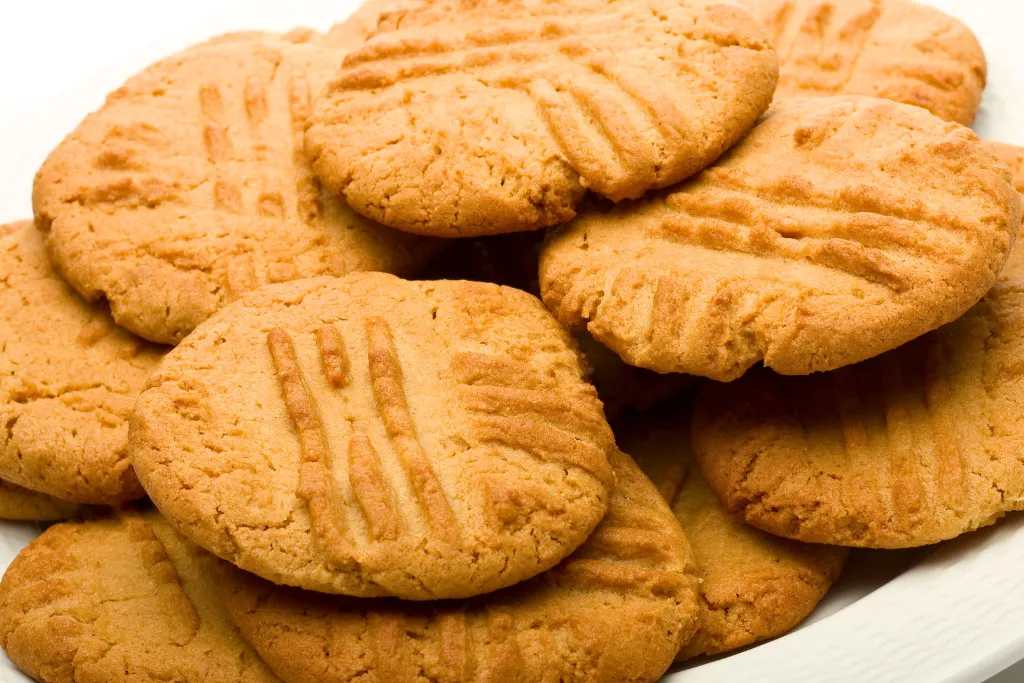
Bordeaux Cookie Recipe
Course: DessertCuisine: FrenchDifficulty: Easy24
cookies30
minutes50
minutes3
hours40
minutesHomemade Bordeaux-style butter cookies with a chilled cutout dough, two original sugar options, and a tender buttery texture.
Ingredients
1 cup flour (whole wheat white flour or all-purpose flour)
1 stick (8 tablespoons) unsalted butter, softened
2/3 cup brown sugar OR 1/2 cup white sugar
1 teaspoon baking powder
2 tablespoons whole milk
Directions
- Cream the butter and sugar: In a mixing bowl, beat 1 stick (8 tablespoons) softened unsalted butter with either 2/3 cup brown sugar or 1/2 cup white sugar. Use a hand mixer at medium speed until smooth and a little lighter, about 2–3 minutes. Scrape the sides and bottom with a spatula.
- Add milk and baking powder: Mix in 2 tablespoons whole milk and 1 teaspoon baking powder until distributed evenly. Scrape the bowl again so no butter or sugar remains unmixed at the bottom.
- Add the flour: Gradually stir in the measured 1 cup all-purpose flour or white whole wheat flour on low speed or with a spatula. Stop when the flour disappears and a soft dough forms. Do not keep beating after it comes together, and do not taste raw dough.
- Chill the dough: Shape the soft dough into a flat disk, wrap it tightly in plastic wrap, and refrigerate for at least 2 hours, until firm enough to roll. You may refrigerate it overnight; allow extra planning time for that option.
- Prepare to bake: Near the end of chilling, preheat the oven to 350°F (175°C) with a rack in the center. Line two baking sheets with parchment paper. Plan to bake one sheet at a time, keeping the other dough chilled while you work.
- Roll and cut: Roll the chilled dough between sheets of parchment to an even 1/4-inch thickness. Peel away the top sheet and cut small cookies, about 2 inches across, with a cutter. If the dough cracks because it is very firm, let it stand briefly; if it becomes sticky or floppy, refrigerate it again until manageable.
- Arrange the cookies: Lift the cutouts with a thin spatula onto a cool lined baking sheet, leaving about 3 inches between cookies because they spread. Gather scraps gently and roll again, chilling as needed. Keep waiting dough in the refrigerator. The original yield is approximately 24 small cookies, depending on the cutter and dough thickness.
- Bake and cool: Bake each sheet for about 10–12 minutes, checking near the earlier end, until the edges are lightly golden and the tops look set rather than wet. Let the cookies rest on the sheet for 5 minutes, then move carefully to a wire rack and cool completely, allowing about 20 minutes total cooling for the final tray, including its 5 minutes on the sheet. Plan about 30 minutes active preparation, 2 hours chilling, and about 50 minutes for four small batches, plus the final cooling: approximately 3 hours 40 minutes total. Extra chilling or additional batches extend that time.
Notes
- Use either 2/3 cup brown sugar or 1/2 cup white sugar, not both. Keep the original flour, butter, milk, and baking powder amounts.
- Approximate total time is 3 hours 40 minutes: 30 minutes active preparation, 2 hours chilling, about 50 minutes baking four small batches, and 20 minutes final cooling. Extra chilling, butter softening, or more batches add time.
- Yield is approximately 24 small cookies and varies with cutter size and rolling thickness. Roll to 1/4 inch and leave about 3 inches between cutouts.
- Cool completely before airtight storage. Store plain cookies for several days at room temperature or freeze for up to 3 months for best quality.