Beef Lo Mein Recipe
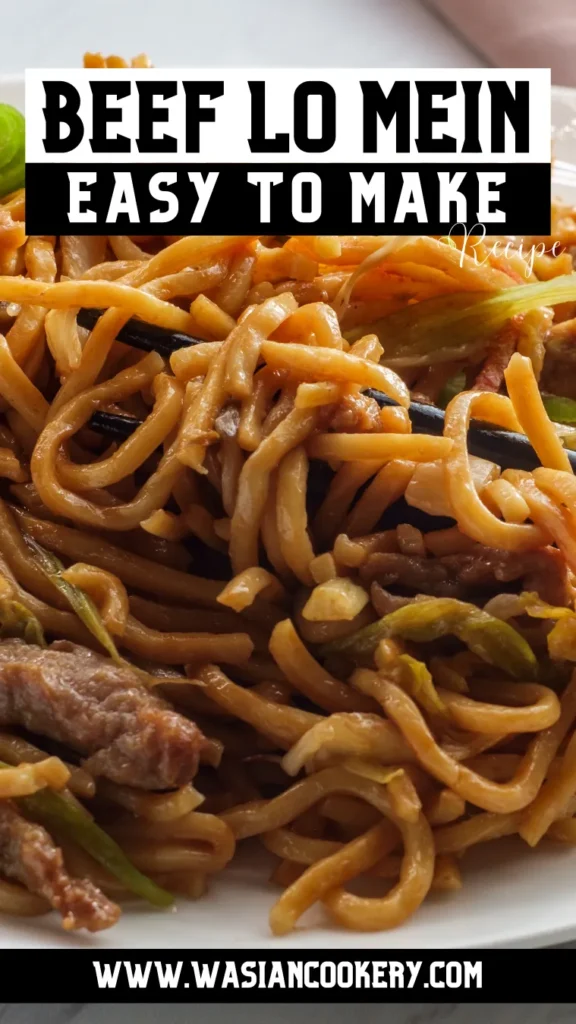
I love Lo Mein dishes, and I’ve already shared recipes for Chicken Lo Mein and an Easy 15-Minute Lo Mein. This beef version is one I make from time to time, especially before movie nights. It’s delicious with crispy egg rolls as an appetizer, creating a satisfying meal.
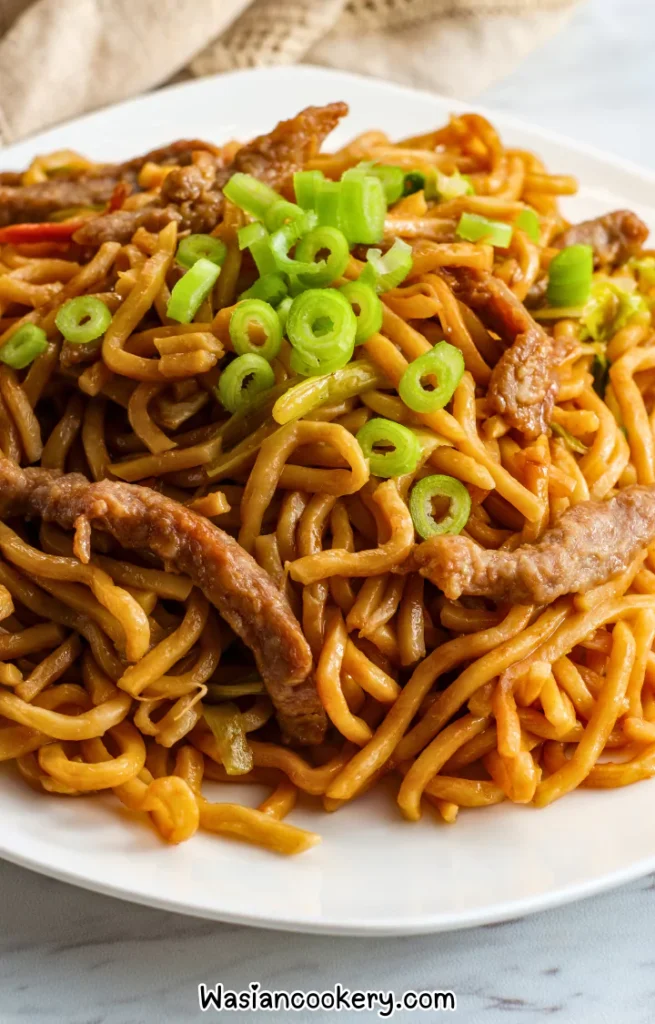
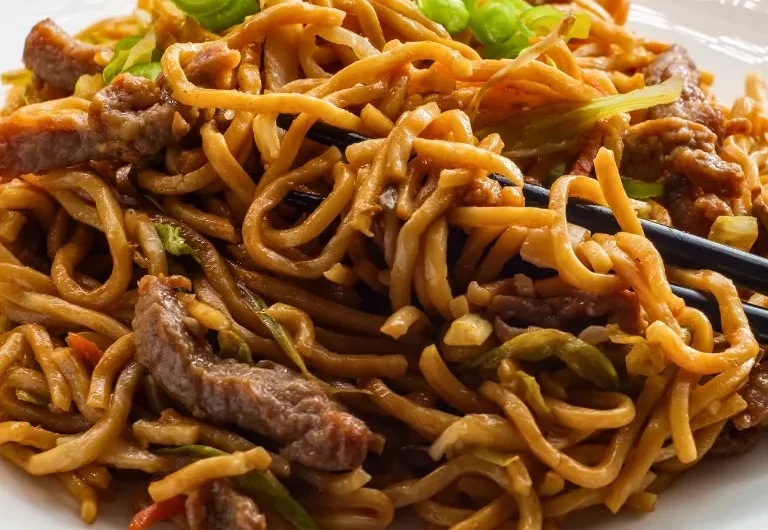
This Beef Lo Mein is packed with tender beef, soft noodles, and fresh vegetables tossed in a savory sauce. Bell pepper, carrots, and crisp peas give each bowl color and a little crunch. The soy sauce, oyster sauce, and hoisin bring plenty of flavor, while sesame oil adds a nutty finish.
The cooking moves quickly once the pan is hot, so the easiest way to make dinner feel relaxed is to prepare everything first. Plan on about 45 minutes, including a short refrigerated marinade. Have the sauce mixed and the noodles drained before the beef goes into the skillet.
Why This Beef Lo Mein Is Great
- A full meal in a bowl: Beef, vegetables, and noodles come together without several separate side dishes to cook.
- A flavorful sauce: Soy sauce brings saltiness, oyster sauce adds depth, and a little hoisin and sugar round out the savory flavors.
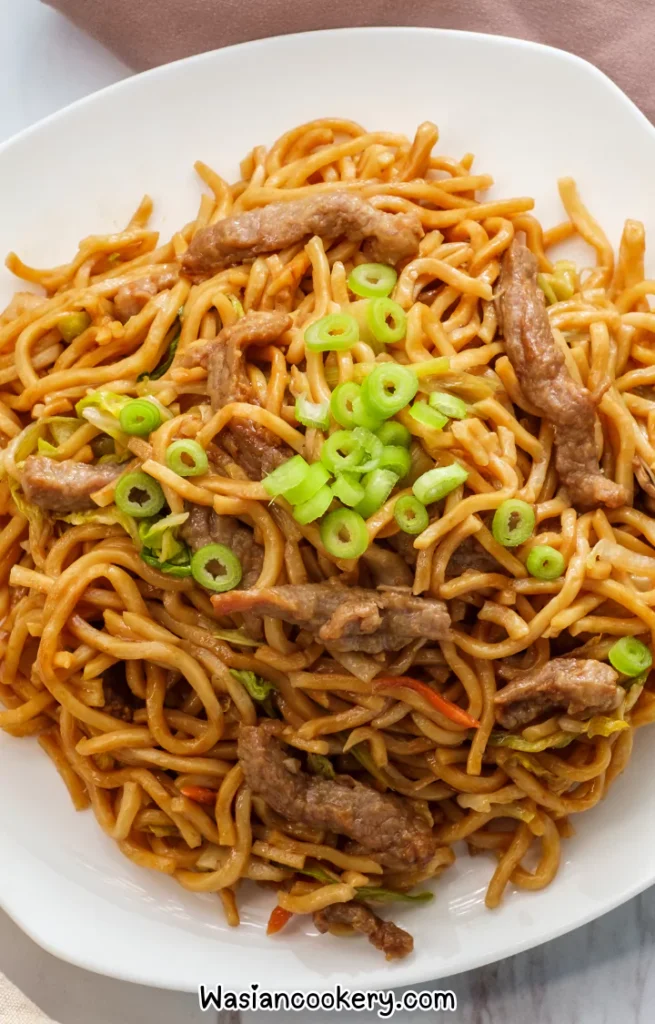
- Good texture: Thin beef slices and just-cooked noodles stay pleasant to eat alongside vegetables that still have some bite.
- Useful everyday ingredients: Spaghetti is already an option in this recipe if lo mein noodles are difficult to find.
- Easy preparation: You can measure the sauce and chop the vegetables ahead, then cook when everyone is ready for dinner.
What Is the Best Beef for Lo Mein?
Sirloin or flank steak works well here because it can be sliced into thin strips for quick cooking. Look for the lines of muscle running through the meat, then cut across those lines. This shortens the fibers and makes the cooked pieces easier to chew. Keep the slices similar in thickness so one piece does not need much longer than another.
Lo mein noodles vary quite a bit between brands. Some are fresh, some are dried, and some are already cooked. Keep the listed 8-ounce amount and let the package tell you how to prepare that particular noodle. The finished volume will differ between fresh and dried varieties. Wheat noodles or spaghetti give the most familiar chewy texture for this version.
Ingredients
For the Beef:
- 1 pound (450g) beef sirloin or flank steak, thinly sliced
- 2 tablespoons soy sauce
- 1 tablespoon cornstarch
- 1 tablespoon vegetable oil (for marinating)
For the Lo Mein:
- 8 ounces (225g) Lo Mein noodles (or spaghetti as a substitute)
- 2 tablespoons vegetable oil (for cooking)
- 2 cloves garlic, minced
- 1-inch piece ginger, minced
- 1 red bell pepper, thinly sliced
- 1 cup shredded carrots
- 1 cup snap peas or snow peas
- 4 green onions, cut into 2-inch pieces
For the Sauce:
- 1/4 cup soy sauce
- 2 tablespoons oyster sauce
- 1 tablespoon hoisin sauce
- 1 tablespoon sesame oil
- 1 teaspoon sugar
- 1/4 cup beef broth or water
Kitchen Equipment You Will Need
As an Amazon Associate I earn from qualifying purchases.
- Wok or large skillet
- Large saucepan
- Colander
- Mixing bowls with lids
- Whisk
- Chef’s knife
- Cutting boards
- Measuring cups
- Measuring spoons
- Kitchen scale
- Thin-tip food thermometer
- Cooking tongs
- Spatula
- Plate
- Serving bowls
- Microwave-safe storage containers with lids
How To Make Beef Lo Mein
Step 1
Slice the sirloin or flank steak thinly across the grain. Combine it with the 2 tablespoons soy sauce, cornstarch, and 1 tablespoon marinating oil in a bowl. Cover and refrigerate for at least 15 minutes while you prepare the vegetables and sauce. Keep raw beef and its utensils separate from ready-to-eat food.
Step 2
Cook the noodles according to their package directions, stopping when tender but still a little firm. Drain well. Follow any package rinsing directions; a brief cool rinse can stop cooking if the noodles need to wait a few minutes. Drain again thoroughly and loosen the strands. Use promptly rather than leaving cooked noodles on the counter.
Step 3
Whisk the sauce ingredients in a small bowl: 1/4 cup soy sauce, oyster sauce, hoisin sauce, sesame oil, sugar, and 1/4 cup beef broth or water. Keep this sauce separate from the raw beef marinade. Have all the sliced vegetables ready before heating the skillet.
Step 4
Heat a large wok or skillet over medium-high to high heat, following the pan manufacturer’s guidance. Add 1 tablespoon of the cooking oil. Stir-fry the beef in uncrowded batches, dividing that oil between batches, until browned and the thickest pieces reach at least 145°F. Start checking after 2-3 minutes per batch; thickness and pan heat affect the time. Insert a thin-tip thermometer from the side into a thick strip. Transfer to a clean plate and rest at least 3 minutes while cooking the vegetables.
Step 5
Add the remaining 1 tablespoon cooking oil to the skillet. Add the garlic and ginger and stir for about 30 seconds, just until fragrant. Add the bell pepper, carrots, and snap peas or snow peas. Stir-fry for 3-4 minutes, until bright and tender-crisp. Lower the heat if the garlic begins to darken quickly.
Step 6
Return the rested beef and its cooked juices to the skillet. Add the drained noodles and prepared sauce. Toss gently for 2-3 minutes, until the sauce bubbles, the noodles are hot, and everything is evenly coated. Continue briefly if needed to heat the center of the noodle mixture; avoid breaking the strands with rough stirring.
Step 7
Add the green onions and give the noodles one final toss. Divide among four bowls and serve hot. The estimated 45 minutes includes preparation with the 15-minute refrigerated marinade, noodle cooking, batch cooking, and the beef’s 3-minute rest; package instructions and batch size can make it take longer.
Notes
- Read the whole ingredient list: The soy sauce and vegetable oil appear in separate groups. Measure the marinade and finishing sauce separately so nothing is accidentally counted twice.
- Keep the wok uncrowded: Cook the beef in batches if the strips cannot spread out. A crowded pan traps moisture and gives the meat a gray, steamed surface.
- Watch the garlic: Thirty seconds is only a guide. Once it smells fragrant, add the vegetables; burnt garlic can make the whole sauce taste bitter.
- Drain thoroughly: Water clinging to the noodles dilutes the sauce. Shake the colander gently and separate clumps before adding them to the pan.
- Use a gentle toss: Lift noodles with tongs while turning the vegetables with a spatula. Pulling firmly at cold clumps can snap the strands.
- Check the salt at the end: Soy sauce and oyster sauce already bring plenty. Taste only after the beef and sauce are fully cooked before adding any extra seasoning.
- Keep dinner moving: A little planning makes this much easier. Set out the clean plate for cooked beef before touching the raw meat.
Ingredients You Can Add
These are optional flavor ideas for another batch. Add a modest amount so the skillet still has room and the original sauce can coat the noodles.
- Broccoli florets, cut small and cooked until just tender before the noodles go in.
- Sliced mushrooms, cooked until their released moisture has mostly evaporated.
- Baby bok choy, with the firmer stalks added before the tender leaves.
- Shredded cabbage, stirred in with the other vegetables for a little more crunch.
- Red pepper flakes, added sparingly to the sauce for extra heat.
- Toasted sesame seeds, sprinkled over the bowls just before serving.
What To Serve With Beef Lo Mein
I like to serve Beef Lo Mein with crispy egg rolls and a side of hot and sour soup for a well-rounded meal. The crunchy egg rolls complement the soft noodles, while the tangy soup gives a nice contrast to the rich sauce. Keep portions small because the noodles are already filling.
For something fresh, try Spicy Korean Cucumber Salad alongside. Its cool crunch works well with a hot noodle bowl. Serve it separately so its dressing does not thin the lo mein sauce.
Steamed dumplings are another comforting choice when you want a bigger dinner. A platter of simply steamed vegetables also works well. You do not need several extras; one crisp or light side is enough to make the meal feel complete.
Variations and Swaps
- Sirloin or flank: Either listed cut works; thin slicing across the grain matters more than the choice between them.
- Snap peas or snow peas: Use either option already in the recipe and remove tough strings before cooking.
- Spaghetti: Use the listed substitution and stop cooking while the strands still have a little firmness.
- Broth or water: Broth gives a fuller flavor, while water keeps the sauce simpler. Both are included in the original formula.
- Lower-sodium soy sauce: It can make the sauce less salty while keeping the measured amounts the same.
- A hotter bowl: Offer chili flakes at the table so each person can choose their own heat.
- Gluten-free adaptation: Use suitable noodles and check soy sauce, oyster sauce, hoisin, and broth labels individually. Noodle texture and timing will change.
- A different vegetable mix: Swap comparable amounts of vegetables with similar cooking times, rather than piling in more than the pan can handle.
Storage
Divide leftovers into shallow containers and refrigerate promptly at 40°F or below. Do this within 2 hours of cooking, or within 1 hour when the temperature is above 90°F. Do not leave the noodles out until they reach room temperature. Use refrigerated leftovers within 3-4 days.
Reheat a portion in a skillet with a small splash of water to loosen the sauce, or use a covered microwave-safe container and stir between short heating intervals. Check that the food reaches 165°F throughout. For longer storage, freeze promptly in sealed portions and use within about 2 months for best texture; thaw in the refrigerator. The vegetables will be softer after freezing.
FAQ
Why are my noodles mushy?
They may have cooked too long before reaching the skillet. Follow the package closely and remember they will spend a few more minutes in hot sauce. Drain promptly once ready.
Why is the sauce watery?
Wet noodles and crowded vegetables are common causes. Drain well and give the vegetables room to cook. Toss briefly over heat until the sauce lightly coats the strands rather than adding unmeasured thickeners.
Can I marinate the beef ahead?
Yes. Keep it covered in the refrigerator and cook within the beef’s safe storage window. A longer marinade is optional and adds time beyond the recipe’s estimate. Never reuse uncooked marinade as a table sauce.
Do I need a wok?
A large skillet is fine. Choose one with enough room to move the food, and split the final toss into batches if the pan becomes crowded. Follow the manufacturer’s heat guidance.
Can I prepare the vegetables early?
Yes. Wash, dry, and cut them, then refrigerate in covered containers. Keep the green onions separate because they go in at the end. Mix the sauce separately as well.
How do I avoid chewy beef?
Cut across the grain, make thin even strips, and use batches. Check the temperature instead of cooking every batch for a fixed long time. Rest the cooked beef before returning it to the noodles.
Short Description
Beef Lo Mein combines thinly sliced sirloin or flank steak, noodles, and crisp vegetables in a savory soy, oyster, and hoisin sauce. Allow about 45 minutes, including preparation and the short refrigerated marinade.
Beef Lo Mein Recipe
Course: MainCuisine: ChineseDifficulty: Easy4
servings25
minutes20
minutes45
minutesBeef Lo Mein combines thinly sliced sirloin or flank steak, noodles, and crisp vegetables in a savory soy, oyster, and hoisin sauce. Allow about 45 minutes, including preparation and the short refrigerated marinade.
Ingredients
- For the Beef:
1 pound (450g) beef sirloin or flank steak, thinly sliced
2 tablespoons soy sauce
1 tablespoon cornstarch
1 tablespoon vegetable oil (for marinating)
- For the Lo Mein:
8 ounces (225g) Lo Mein noodles (or spaghetti as a substitute)
2 tablespoons vegetable oil (for cooking)
2 cloves garlic, minced
1-inch piece ginger, minced
1 red bell pepper, thinly sliced
1 cup shredded carrots
1 cup snap peas or snow peas
4 green onions, cut into 2-inch pieces
- For the Sauce:
1/4 cup soy sauce
2 tablespoons oyster sauce
1 tablespoon hoisin sauce
1 tablespoon sesame oil
1 teaspoon sugar
1/4 cup beef broth or water
Directions
- Slice the sirloin or flank steak thinly across the grain. Combine it with the 2 tablespoons soy sauce, cornstarch, and 1 tablespoon marinating oil in a bowl. Cover and refrigerate for at least 15 minutes while you prepare the vegetables and sauce. Keep raw beef and its utensils separate from ready-to-eat food.
- Cook the noodles according to their package directions, stopping when tender but still a little firm. Drain well. Follow any package rinsing directions; a brief cool rinse can stop cooking if the noodles need to wait a few minutes. Drain again thoroughly and loosen the strands. Use promptly rather than leaving cooked noodles on the counter.
- Whisk the sauce ingredients in a small bowl: 1/4 cup soy sauce, oyster sauce, hoisin sauce, sesame oil, sugar, and 1/4 cup beef broth or water. Keep this sauce separate from the raw beef marinade. Have all the sliced vegetables ready before heating the skillet.
- Heat a large wok or skillet over medium-high to high heat, following the pan manufacturer’s guidance. Add 1 tablespoon of the cooking oil. Stir-fry the beef in uncrowded batches, dividing that oil between batches, until browned and the thickest pieces reach at least 145°F. Start checking after 2-3 minutes per batch; thickness and pan heat affect the time. Insert a thin-tip thermometer from the side into a thick strip. Transfer to a clean plate and rest at least 3 minutes while cooking the vegetables.
- Add the remaining 1 tablespoon cooking oil to the skillet. Add the garlic and ginger and stir for about 30 seconds, just until fragrant. Add the bell pepper, carrots, and snap peas or snow peas. Stir-fry for 3-4 minutes, until bright and tender-crisp. Lower the heat if the garlic begins to darken quickly.
- Return the rested beef and its cooked juices to the skillet. Add the drained noodles and prepared sauce. Toss gently for 2-3 minutes, until the sauce bubbles, the noodles are hot, and everything is evenly coated. Continue briefly if needed to heat the center of the noodle mixture; avoid breaking the strands with rough stirring.
- Add the green onions and give the noodles one final toss. Divide among four bowls and serve hot. The estimated 45 minutes includes preparation with the 15-minute refrigerated marinade, noodle cooking, batch cooking, and the beef’s 3-minute rest; package instructions and batch size can make it take longer.
Notes
- Slice beef thinly across the grain and cook in uncrowded batches.
- Cook the thickest beef strips to at least 145°F and rest at least 3 minutes before serving.
- The 45-minute estimate includes the 15-minute refrigerated marinade, which overlaps vegetable and sauce preparation.
- Refrigerate leftovers promptly in shallow containers and reheat to 165°F.